Maintaining a roof is no small feat, especially when it comes to longevity. The roof is your home’s first line of defense against harsh weather, UV rays, and other environmental factors. As such, it’s crucial to understand how to extend the life of your roof effectively. In this article, we’ll dive deep into actionable strategies that you can implement to ensure that your roof remains durable and reliable for years to come.
How to Extend the Life of Your Roof – Top Tips from Blue Peaks Roofing Professionals
When it comes to roofing, knowledge is power. Understanding how various elements affect your roof can make a world of difference in its lifespan. Here's what you need to know.
Understanding Your Roof Type
Different Roof Types and Their Lifespans
Every roofing material has its unique properties and lifespan. Here are some common types:
- Asphalt Shingles: Typically last 20-25 years. Metal Roofing: Lasts 40-70 years depending on the type. Clay Tiles: Can last over 100 years with proper maintenance. Slate Roofing: Known for its longevity, lasting up to 200 years.
Knowing what you're working with will help you tailor your maintenance strategies accordingly.
The Importance of Regular Inspections
Regular inspections are essential in identifying potential issues before they escalate. It’s advisable to check your roof at least twice a year—preferably in spring and fall.
Routine Maintenance Practices
Keep Your Roof Clean
Leaves, branches, and debris can accumulate on your roof, leading to mold growth or water pooling. Make it a habit to remove debris regularly.
Gutter Maintenance
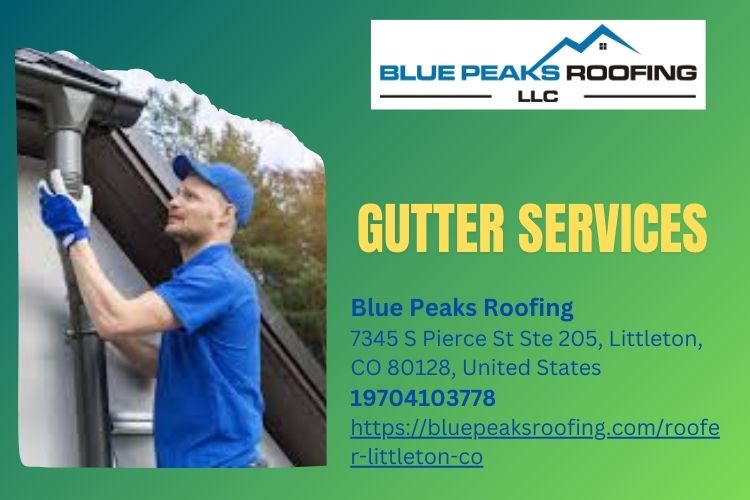
Clogged gutters can lead to water overflow, which can damage not only your roof but also your home's foundation. Clean them out at least twice a year or more frequently if there are many trees nearby.
Inspect Flashing Around Vents and Chimneys
Flashing is crucial for protecting vulnerable areas like chimneys and vents from leaks. Regularly inspect this area for rust or damage.
Addressing Minor Repairs Promptly
Seal Cracks and Holes
If you notice any cracks or holes in your roofing material, seal them promptly using appropriate materials. This prevents water intrusion which can lead to rot and decay.
Replace Missing Shingles Immediately
Missing shingles expose the underlying layers of your roof, increasing the risk of leaks. Keep an eye on them during inspections.
Weatherproofing Your Roof
Applying Protective Coatings
Consider applying a protective coating designed for your specific roofing material. This will add an extra layer of protection against UV rays and moisture.
Installing a Radiant Barrier
If you live in a hot climate, installing a radiant barrier can help reduce heat absorption by reflecting sunlight away from the home, thus prolonging the life of your roof.
Choosing Quality Materials When Replacing Your Roof
Investing in High-Quality Roofing Materials
When it's time for a replacement, prioritize quality over cost. Investing in high-quality materials may save you money in the long run by reducing future repairs.
Understanding Local Weather Conditions
Preparing for Seasonal Changes
Each season presents different challenges for roofs. For example:
- In winter: Snow accumulation can lead to ice dams. In summer: High temperatures can cause shingles to warp or crack.
Being proactive about seasonal changes helps keep your roof intact longer.
Professional Help When Needed
Hiring Local Roofers for Inspections and Repairs
Sometimes DIY just won't cut it; hiring professionals like Blue Peaks Roofing ensures that any work done adheres to local codes and standards. Searching "roofers near me" will connect you with qualified experts who know local conditions best.
Long-Term Strategies for Roof Longevity
Consider Regular Maintenance Contracts
Many local roofing companies offer maintenance contracts that include regular inspections and cleanings. This could be an efficient way to extend the life of your roof without added stress on your part.
FAQs
1. How often should I have my roof inspected?
It's recommended to inspect your roof at least twice per year—once in spring and once in fall—and after severe storms as well.
2. What signs indicate my roof needs repair?
Look for missing shingles, sagging areas, leaks inside the home, or granules collecting in gutters as indicators that repairs are needed.
3. Can I clean my own gutters?
4. How does weather affect my roof?
Weather conditions like heavy rain, snow accumulation, high winds, or intense UV rays can all impact the integrity and lifespan of roofing materials significantly.
5. What's involved in applying a protective coating?
Applying protective coatings typically involves cleaning the surface thoroughly before using paint sprayers or roofing contractors nearby Blue Peaks Roofing rollers specifically designed for roofing materials.
6. Should I tackle minor repairs myself?
While minor repairs may seem manageable DIY projects, when in doubt consult with professionals like Blue Peaks Roofing to avoid causing further damage.
Conclusion
Your roof's health directly impacts not only its appearance but also the overall integrity of your home. By following these tips from Blue Peaks Roofing Professionals on how to extend the life of your roof—like routine maintenance checks, timely repairs, choosing quality materials—you'll safeguard one of life's biggest investments effectively. Whether you're searching "roofers Littleton" or looking for "local roofers," remember that investing time now will yield benefits down the road!
Contact Us
Blue Peaks Roofing
Address: 8000 S Lincoln St Ste #201, Littleton, CO 80122, United States
Phone: (970) 410-3778
By taking proactive steps today regarding routine maintenance practices combined with professional oversight when necessary—you'll give yourself peace of mind knowing that you've extended both functionality & durability while enhancing property value over time!